
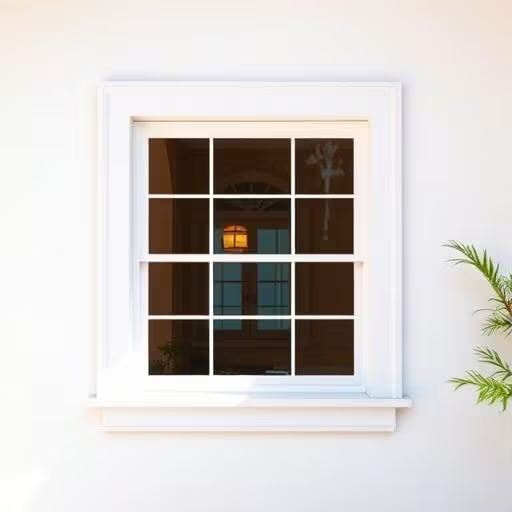














To winterize windows in Florida, inspect frames and seals, replace worn weatherstripping, recaulk exterior gaps, clean tracks and weep holes, check glass and locks, and use insulation film, but only as a short-term fix. If drafty windows still leak after maintenance or the glass is fogged or the frames are soft, energy-efficient window replacement’s the long-term solution. Finish this checklist in October or November, before Central Florida’s first strong cold front.
Key Takeaways
- Central Florida cold fronts typically arrive November through February and can drop overnight temperatures sharply within hours.
- Most winter discomfort in Florida homes comes from window drafts and air leaks, not the HVAC system.
- Florida heat, humidity, and salt air break down weatherstripping and caulk faster than northern climates do.
- Fog between glass panes means that the insulated seal has failed and can’t be fixed with caulk.
- Fall and early winter are the easiest times to schedule window replacement in Orlando, Tampa, and Winter Park, well ahead of hurricane season.
Why You Need to Winterize Windows in Florida
Florida winters don’t bring snow, but do bring fast temperature drops, gusty north winds, and wind-driven rain. A home built to keep heat out all summer suddenly has to hold heat in. Gaps that went unnoticed in August turn into cold window drafts in January.
Winterizing windows in Florida prevents four common problems:
- Cool drafts around sashes and frames
- Condensation on glass, sills, and nearby drywall
- Higher heating bills as the system cycles more often
- Water intrusion through cracked or shrunken seals
Windows are only one part of your home’s exterior envelope. For a whole-house plan that covers roofs, doors, gutters, and plumbing, see our complete guide to winterizing Florida homes.
Signs of Drafty Windows Before Winter
Drafty windows rarely fail all at once. Seals shrink a little each summer, caulk cracks after years of sun, and frames shift slowly as the house settles. Because Florida homes run air conditioning (AC) most of the year, these small leaks stay hidden until the first cold front blows through. That’s when the room near the window suddenly feels several degrees cooler than the rest of the house. The best time to find window drafts is on a cool, breezy evening in late fall when the difference between indoor and outdoor air makes leaks easy to feel.
Walk through every room including bedrooms and bathrooms you use less often and look for:
- Air movement you can feel near closed windows
- Fog or moisture between glass panes
- Windows that stick, rattle, or won’t lock
- Cracked, peeling, or missing caulk
- Water stains on sills, walls, or floors beneath windows
- Heating bills rising faster than the weather explains
- Soft, warped, or corroded frames
One or two signs usually call for maintenance. But three or more on the same window or any frame rot or failed glass seal usually means replacement. To compare options, take a look at our guide to the best window materials for Florida.
6 Steps to Winterize Windows in Florida
Most of the following steps will take you a single weekend plus a trip to your neighborhood hardware store. Work through them in order because each builds on the previous one; the inspection tells you where to focus, sealing stops the air leaks, cleaning helps windows to close fully, and the hardware check confirms that everything locks tight. If you find damage that maintenance can’t fix, you’ll know which windows to prioritize for replacement before the coldest weeks of January and February.
1. Inspect Window Frames and Seals
Check every window inside and out. Look for gaps between the frame and wall, cracked caulk, and frame damage. On a breezy day, hold a lit incense stick or a damp hand near the frame; if the smoke wavers or your hand feels cool, you’ve found a leak.
Warped vinyl or corroded aluminum can’t seal tightly no matter how much caulk you add. Learn which materials last longest in our guide to the best window frame material for hot climates.
2. Replace Worn Weatherstripping
Weatherstripping’s the cheapest, fastest fix for drafty windows. Florida heat makes it shrink, harden, and crack.
Choose the right type for your windows:
- Foam tape—Fills irregular gaps
- Rubber compression strips—Durable choice for casement and awning windows
- Vinyl weather barriers—Good all-purpose seal
- V-strip tension seals—Ideal for double-hung windows and single-hung windows
If a room in your home’s always drafty, consider casement windows; the sash presses against the frame when locked, creating one of the tightest seals available.
3. Recaulk Exterior Gaps
Caulk seals the joint between the window frame and the exterior wall. But Sun, rain, and humidity break it down every year.
Fresh caulk only bonds well to a clean, dry surface so take the following steps for a seal that lasts through the winter:
- Remove all old, cracked caulk
- Clean and dry the surface
- Apply a continuous bead of exterior-grade silicone or polyurethane sealant
Tampa Bay homes near the Gulf such as Palm Harbor and Clearwater usually need recaulking more often because of salt air. Water stains near the top of a window can also signal a roof or flashing leak rather than a window problem. Learn more about roof flashing problems in Florida or explore roof repair services from FAS Exteriors.
4. Clean Window Tracks and Weep Holes
Debris keeps windows from closing fully, and clogged weep holes trap water during winter storms. A few minutes of cleaning per window restores a tight close and keeps water draining the way it should.
Homeowners need to:
- Vacuum loose dirt and debris
- Scrub corners with a small brush
- Wipe tracks clean with a damp cloth
- Clear weep holes with a pipe cleaner
Sliding windows and sliding patio doors collect the most debris and benefit most from this step.
5. Check Glass, Locks, and Hardware
Look for cracks, chips, and fog between panes. Confirm that every window:
- Closes completely
- Locks securely
- Sits evenly in the frame
Locks pull the sash tight against the weatherstripping so a broken lock means a leaky window. Fogged glass means that the insulated glass unit has lost its seal and insulating gas.
Unsure what type of glass you have? Find out how to check whether you have impact windows.
6. Use Temporary Insulation Only as a Stopgap
Shrink film and draft snakes can get you through one season. But if you need them every winter, the window has failed; energy-efficient replacement windows will deliver better comfort and lower energy bills all year.
Still feeling drafts after these steps? FAS Exteriors offers free in-home window inspections across Orlando, Tampa, and Winter Park. Book your free inspection or call 866-737-7173.
How to Fix Drafty Windows: Repair or Replace?
Not every drafty window needs to be replaced. Problems with the parts that wear out such as caulk, weatherstripping, and hardware can usually be fixed in an afternoon for a modest cost. Problems with the window itself such as a failed glass seal or a warped frame can’t be repaired in a way that lasts.
Find the problem that you’re dealing with in the table below to figure out whether it can be repaired or the window needs to be replaced. That way, you spend money on new windows only if repairs won’t solve the problem.
| PROBLEM | DIY OR REPAIR | REPLACE THE WINDOW |
|---|---|---|
| Cracked caulk | ✔ | |
| Worn weatherstripping | ✔ | |
| Dirty tracks or sticking sash | ✔ | |
| Broken lock or crank | ✔ (hardware swap) | |
| Fog between panes | ✔ | |
| Warped, rotted, or corroded frame | ✔ | |
| Drafts remain after resealing | ✔ | |
| Single-pane window 20+ years old | ✔ | |
| No hurricane protection in a wind-borne debris region | ✔ |
Many Florida homeowners fix winter window drafts and add hurricane protection with a single upgrade. Impact windows use laminated, insulated glass and reinforced frames that seal tightly against cold-front winds and stand up to storm debris. Compare options in our hurricane impact windows guide and find out where impact windows are required in Florida.
Vinyl vs. Aluminum for Florida Winters
Vinyl frames insulate better and resist condensation. Aluminum’s strong and slim, but transfers heat and cold unless it has a thermal break. See our comparison in aluminum vs. vinyl windows for Florida or explore vinyl windows and aluminum windows from FAS Exteriors.
Florida Winter Conditions that Stress Windows
Windows in Florida face a punishing combination that northern homes don’t: months of intense sun and heat followed by sudden winter cold. Summer heat bakes seals and caulk until they lose flexibility, and then a cold front makes frames and glass contract within hours. That repeated expansion and contraction opens small gaps that let air and water in.
Four winter conditions do most of the damage:
- Cold fronts—Overnight temperatures can fall 20 degrees or more, exposing every leak.
- Wind-driven rain—North winds push rain directly against window seals.
- Humidity swings—Warm indoor air meets cold glass and forms condensation that damages sills and drywall.
- Salt air—Coastal exposure corrodes hardware and breaks down sealants faster.
Winterizing Windows in Orlando, Tampa, and Winter Park
Central Florida’s winter weather isn’t the same from city to city. How far you are from the coast, the age of your neighborhood, and the type of windows that builders used in your area all impact on which problems show up first and how quickly windows wear out.
Here’s what homeowners in central Florida should watch for.
Orlando
Inland Orlando often sees the sharpest overnight drops in Central Florida when strong fronts move through. Builder-grade and single-pane windows in older subdivisions lose heat fast. FAS Exteriors provides Orlando window replacement with energy-efficient and impact-rated options.
Tampa
Tampa Bay homes face winter wind off the water and salt air that wears down seals and hardware. Corrosion-resistant frames and precise installation make the biggest difference here. Explore window replacement in Tampa, serving Tampa, Palm Harbor, Clearwater, and surrounding Tampa Bay communities.
Winter Park
Winter Park’s historic and mid-century homes often still have original windows with worn frames and glazing. Custom-sized replacements improve comfort while preserving the home’s character. Learn about window replacement in Winter Park.
Seal Your Doors, Too
Exterior doors leak air the same way in which windows do. Check door sweeps, thresholds, and weatherstripping during the same inspection. If your front door’s warped or drafty, compare fiberglass vs. steel entry doors or browse entry door replacement. Drafty sliders are a frequent culprit; see the best patio doors for Florida homes.
Why Winter Is the Best Time to Replace Windows in Florida
Most Florida homeowners think about new windows in late spring, when hurricane season’s approaching and window installers’ calendars are filling up. Winter’s the smarter window. Cooler, drier weather’s comfortable for installation, crews have more scheduling flexibility, and you’ll have new windows in place long before the first storm watch. You also get immediate relief from the drafts you’re feeling right now plus lower cooling bills once summer returns.
- Drafts are easy to find—You can feel exactly which windows are failing.
- Scheduling is flexible—Installers have more openings than in spring and the weeks before hurricane season.
- You’re protected before hurricane season—New windows are in place well before June 1; pair your project with our hurricane preparedness checklist.
- Permits are handled for you—Learn whether you need a permit to replace windows in Florida.
- Financing is available through 2027—Flexible payment options are offered through 2027.
- Top brands are installed by certified crews—FAS Exteriors installs PGT, Andersen, Simonton, and ProVia windows; compare them in our best impact window brands in Florida guide.
Ready to stop drafty windows for good?
Get a free, no-pressure window estimate from FAS Exteriors.
Request your free estimate
Frequently Asked Questions about How to Winterize Windows in Florida
Florida homeowners ask the following questions most often as cooler weather arrives.
How do I winterize windows in a Florida home?
Inspect frames and seals, replace worn weatherstripping, recaulk exterior gaps, clean tracks and weep holes, and check glass and locks. Use insulation film only as a temporary fix. Replace windows with fogged glass, damaged frames, or drafts that remain after resealing.
When should I winterize windows in Florida?
October through early November, before the first strong cold front. Dry fall weather is ideal for caulking, and it leaves time to schedule replacement if needed.
How do I fix drafty windows?
Start with new weatherstripping and fresh exterior caulk, then clean the tracks and make sure the locks pull the sash tight. If drafts continue, the frame or sash is likely warped and the window should be replaced.
Can condensation between window panes be repaired?
No. Fog between panes means the insulated glass seal has failed. The glass unit or the full window needs to be replaced.
Do impact windows help with winter drafts?
Yes. Impact windows use heavy laminated, insulated glass and reinforced frames that seal tightly, reducing drafts, outside noise, and energy loss while protecting your home during hurricanes.
Are vinyl or aluminum windows better for Florida winters?
Vinyl insulates better and resists condensation. Aluminum is strong and slim, but conducts heat and cold unless it includes a thermal break.
Can new windows lower my energy bills?
Yes. Energy-efficient windows reduce heat loss in winter and heat gain in summer, which shortens HVAC run time year-round. Check our energy-efficient home improvement credit guide for current tax credit eligibility.
Get a Free Window Inspection Before the Next Cold Front
Preparing windows for Florida winter weather is easier with an expert eye. FAS Exteriors (formerly FAS Windows and Doors) is a licensed Florida contractor (Lic. #CGC1518212) with a 4.9-star Google rating, serving homeowners in Orlando, Winter Park, Tampa, and surrounding areas.
FAS Exteriors serves homeowners across central Florida. We’re accredited by the Better Business Bureau (BBB) and have earned an A+ rating.
Our specialists pinpoint drafts, seal failures, and frame damage, then walk you through repair and replacement options with no pressure. Financing is available.
Schedule your free window estimate, and we’ll come to your home to look at your window, assess its condition, explain your options, and give you a clear written estimate with no obligation to move forward.