


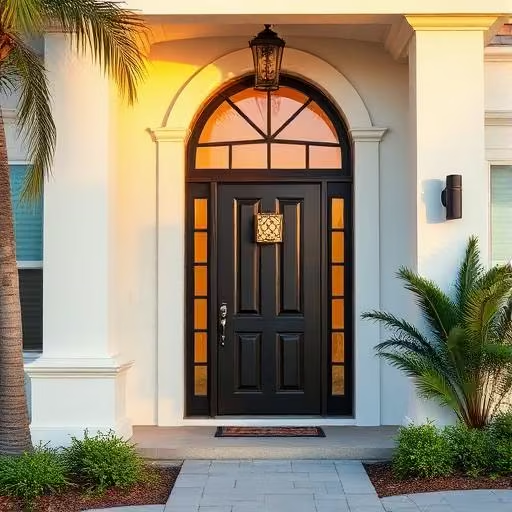
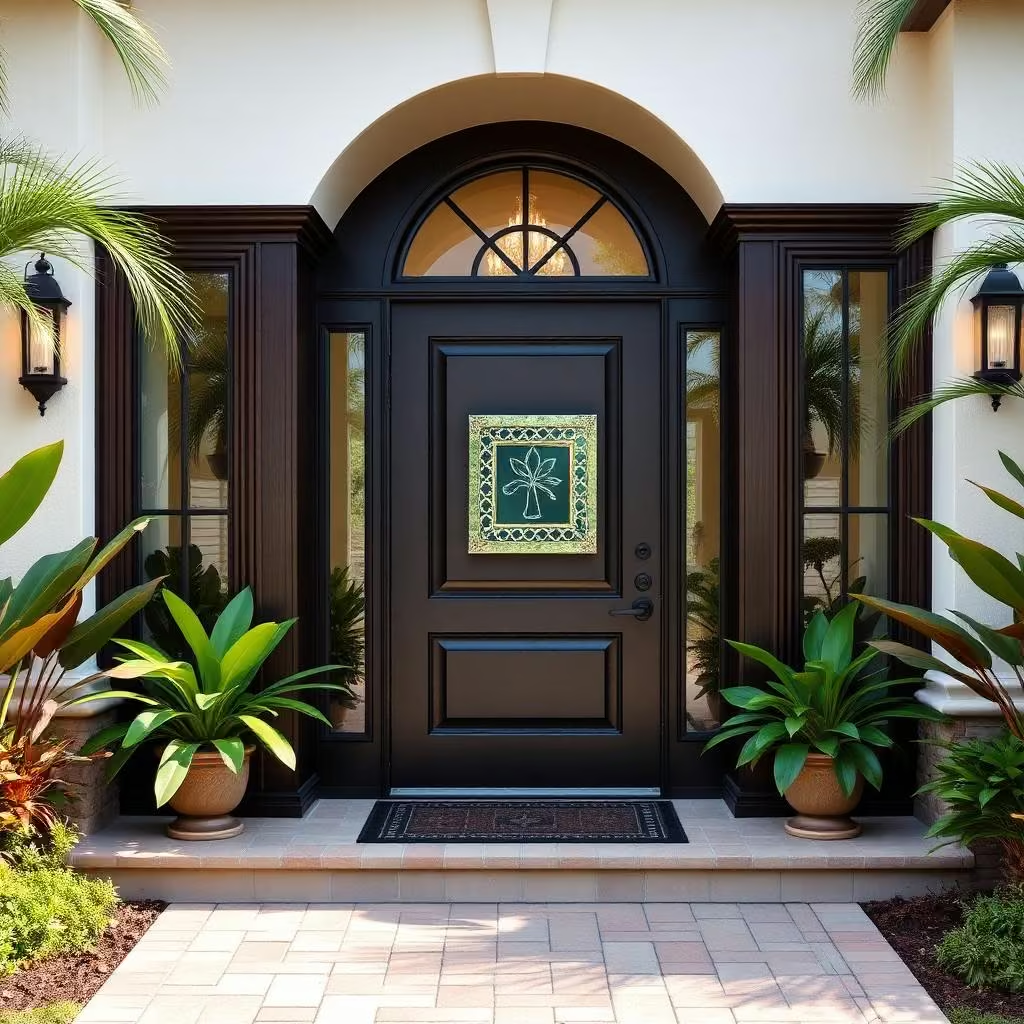












Fiberglass entry doors generally hold up better against Central Florida’s heat, humidity, and sudden afternoon storms while steel doors win on upfront price and raw forced-entry strength. The right pick depends on which of those two things matters more to you.
Your front door takes more abuse than almost anything else on your house. It bakes in direct sun for hours, gets pelted by summer downpours, and still has to look sharp for guests. So which material actually earns its keep in Orlando, Tampa, or Winter Park: fiberglass or steel?
Key Takeaways
- Fiberglass doors typically outlast steel in Florida’s climate: 30-50+ years vs. 20-30 years for steel because they don’t rust.
- Steel doors cost less upfront (often $500–$1,000 installed) compared to fiberglass ($1,200–$3,500 installed), but steel needs more upkeep over time.
- Both materials can meet ENERGY STAR efficiency standards, but fiberglass generally offers better thermal performance thanks to its thicker insulated core.
- Steel wins on pure impact resistance and forced-entry strength, which matters for ground-floor entries and rental properties.
- Florida’s humidity and intense UV exposure make rust and fading the two biggest long-term risks; fiberglass resists both far better than steel.
- Look for NFRC-rated and Florida Building Code-compliant doors regardless of which material you choose, especially in wind-borne debris zones.
Table of Contents
What’s the Real Difference Between Fiberglass and Steel Entry Doors?
Both door types share the same basic anatomy: an outer skin wrapped around an insulated foam core. The difference is entirely in that outer shell.
ceiling.
Steel doors use a thin steel skin, usually 20 to 24 gauge, over a wood or composite frame. Fiberglass doors use a molded, high-impact fiberglass skin that can be textured to mimic real wood grain. That single difference in shell material drives almost every other tradeoff between the two: how they age, how they feel, and how much they cost.
How Each Door Handles Florida’s Climate
This is where the decision gets local. Orlando, Tampa, and Winter Park homeowners deal with a specific combination of stressors: intense summer humidity, long stretches of direct sun, sudden thunderstorms, and occasional hurricane-force wind events.
Steel’s biggest weakness in this climate’s corrosion. Once the protective coating gets scratched or dinged, moisture works its way in and rust follows, and Florida humidity accelerates that timeline. Fiberglass doesn’t rust at all, and it resists warping, cracking, and moisture absorption in ways that wood and steel simply can’t match.
If you’re in a wind-borne debris zone (much of the Tampa area, for instance), any Tampa door replacement should include a door tested and labeled for compliance with the Florida Building Code’s impact standards, which are administered by the Florida Building Commission. Both fiberglass and steel doors are available in impact-rated configurations; material alone doesn’t determine hurricane readiness, but door assembly and installation do.
Energy Efficiency: Which Door Keeps Cooling Bills Down?
Both materials can be genuinely energy-efficient when properly built and installed. ENERGY STAR, the joint Environmental Protection Agency (EPA) and the Department of Energy (DOE) efficiency program, certifies qualifying entry doors from both categories.
That said, fiberglass typically edges ahead for one simple reason: thickness. Fiberglass doors run about three-quarters of an inch thicker than steel on average, which allows for a deeper insulating core and better resistance to heat transfer. Steel conducts heat more readily so a dark-painted steel door in direct Florida sun can get noticeably hot to the touch, and that heat transfers inward.
For an apples-to-apples comparison, check the door’s U-factor and Solar Heat Gain Coefficient ratings from the National Fenestration Rating Council (NFRC) rather than relying on material alone.
Durability and Lifespan: How Long Will Each One Last?
Fiberglass and steel don’t just differ in appearance; they age at very different rates once Florida’s sun and humidity get involved. Knowing the real gap between the two makes it much easier to weigh a higher upfront price against decades of performance.
Look at the numbers side by side:
- Steel doors—20-30 years with proper care, sometimes stretching to 40 years if rust’s caught early and treated
- Fiberglass doors—30-50+ years, with some manufacturers backing that up with lifetime warranties
Steel’s durability depends heavily on maintenance discipline. A scratch that goes untreated for a season can turn into a rust spot within a year in Florida’s humidity. Fiberglass shrugs off dents, doesn’t corrode, and holds its finish far longer with minimal intervention.
Security: Which Door Offers Better Protection?
Steel takes the clear lead here. Its rigid, all-metal construction’s harder to force open and more resistant to impact than fiberglass, which is why steel entry doors are typical in commercial and rental applications where security’s the top priority.
Fiberglass doors are still far more secure than wood, and a quality fiberglass door with a proper deadbolt and reinforced strike plate performs well in real-world conditions. But if raw forced-entry resistance’s your single biggest concern, steel has the edge.
Style and Curb Appeal: Design Options for Each Material
Fiberglass wins decisively on design flexibility. It can be molded and stained to mimic oak, mahogany, or cherry wood grain almost convincingly, and it takes paint and stain finishes beautifully. For homeowners chasing a traditional or upscale look, fiberglass entry doors make that achievable without wood’s maintenance burden. This is especially popular among homeowners planning a Winter Park door replacement on a classic-style home.
Steel leans toward a cleaner, more contemporary look. It takes smooth painted finishes well and suits modern or minimalist home exteriors though its wood-grain texturing options are more limited than fiberglass.
Maintenance: What Upkeep Should You Actually Expect?
Neither material’s maintenance-free, but the type of upkeep each demands looks nothing alike. Steel calls for regular vigilance against rust while fiberglass mostly just needs occasional cleaning and attention to its finish over time.
- Steel doors—Need periodic inspection for scratches, dents, and early rust spots; catching corrosion early’s the whole game with steel in a humid climate.
- Fiberglass doors—Require occasional cleaning with mild soap and water and, eventually, a restain or repaint if the finish fades, but there’s no rust risk to monitor.
Both benefit from an annual hardware check: hinges, weatherstripping, and locksets loosen or wear over time regardless of door material.
Cost Comparison: Upfront Price vs. Long-Term Value
Steel wins the sticker price. Installed steel entry doors commonly run $500 to $1,000, making them one of the most affordable upgrade options available. Fiberglass runs higher upfront, typically $1,200 to $3,500 installed depending on style, glass inserts, and finish.
The long-term math shifts though. Factor in eventual rust treatment, repainting, and a shorter replacement cycle for steel, and fiberglass’s higher entry price often evens out or comes out ahead over a 20-plus year ownership window.
Entry door replacement also consistently ranks among the higher-return home improvement projects in national cost-vs-value studies, regardless of which material you choose; a new front door pays some of itself back at resale either way.
At a Glance: Fiberglass vs Steel Entry Doors
For a fast, side-by-side snapshot of everything covered above, the following table shows how fiberglass and steel stack up across the factors that matter most for a Florida entryway.
| FACTOR | FIBERGLASS | STEEL |
|---|---|---|
| Lifespan | 30–50+ years | 20–30 years |
| Rust risk | None | Moderate to high |
| Upfront cost | Higher | Lower |
| Energy efficiency | Excellent | Good |
| Security | Strong | Strongest |
| Design flexibility | High (wood-grain textures) | Moderate (smooth, modern) |
| Maintenance | Low | Moderate |
From the ground, look for any metal that appears buckled, bent outward, or no longer sitting flush against the surface it’s meant to seal.
Which Door’s Right for Your Orlando, Tampa, or Winter Park Home?
Reading through specs and lifespans is useful, but the real decision comes down to your specific entryway and what you value most. Whether you’re considering a door replacement in the Orlando area or a project elsewhere in central Florida, the same questions apply. The checklist below will help in your decision-making.
As you can see, there’s no universal right answer. The right answer depends on your specific entryway, budget, and priorities.
Reference Resources
- ENERGY STAR®: Residential Windows, Doors, & Skylights
- Florida Building Commission: 8th Edition (2023)
- National Fenestration Rating Council (NFRC): Residential Product Certification
- Window & Door Manufacturers Association (WDMA): Certified Product Search
Frequently Asked Questions about Fiberglass vs Steel Entry Doors
A few questions come up more than any others when Central Florida homeowners are deciding whether to select fiberglass or steel for their entry doors.
Does fiberglass or steel handle Florida humidity better?
Fiberglass. It doesn’t rust, warp, or absorb moisture the way steel can once its protective coating’s compromised.
Is a steel door a security risk in a humid climate?
Not if maintained. Steel’s still one of the strongest options for forced-entry resistance; it just requires more vigilance against corrosion in Florida’s climate than it would in a drier region.
Can both fiberglass and steel doors be hurricane-rated?
Yes. Impact resistance comes from the door assembly and installation meeting Florida Building Code standards, not from the shell material alone.
Which door adds more resale value?
Both perform well in national cost-vs-value studies for entry door replacement. The bigger resale factors are usually condition and curb appeal rather than which of the two materials was used.
Do I need a specific U-factor or SHGC rating for Florida?
Look for NFRC-labeled ratings appropriate for a hot, humid climate; a lower Solar Heat Gain Coefficient generally matters more here than it would in a colder region.
Ready to Make the Right Call for Your Front Door?
Fiberglass and steel each win on different fronts, and the better choice comes down to what you value most for your specific home and budget. If you’re weighing this decision for a home in Orlando, Tampa, or Winter Park, a professional assessment of your entryway’s sun exposure, wind zone, and security needs will tell you more than any general comparison can.
FAS Exteriors serves homeowners across central Florida. We’ve earned an A+ accreditation from the Better Business Bureau (BBB).
Schedule your free, in-home assessment, and one of our licensed Florida professionals will come out, look at your home’s entry, and give you an itemized, side-by-side quote with no pressure and no salesperson tricks.